

In my work as a counsellor and as a parent, I often reflect on how children grow into their emotional lives and relationships. One idea that continues to stand out for me is this: children do not simply “grow up” by becoming more independent. Rather, they grow up through deep emotional connection, and through feeling safely held in relationship.
Attachment theory — and especially the developmental lens I draw from — reminds me that emotional connection is not just one part of development; it is the soil in which development happens.
A Cultural Reflection: Early Independence in My Context
In my culture, parents often begin enrolling children in structured classes as early as 2 or 3 years old. The intention is usually loving and future-oriented: parents want their children to have a “head start” in life.
Most children in this context experience early separation from their primary caregivers through preschool programs or a wide range of structured interest classes. In many cases, children do not have the option to stay close with their caregivers during these transitions. The underlying belief is that early independence will help them develop resilience, confidence, and skills for the future.
I deeply understand the intention behind this. At the same time, I also find myself reflecting on what may be happening underneath the surface of this early push toward independence.
Independence Is Not the Same as Emotional Readiness
From an attachment-based perspective, true development does not begin with independence. It begins with connection.
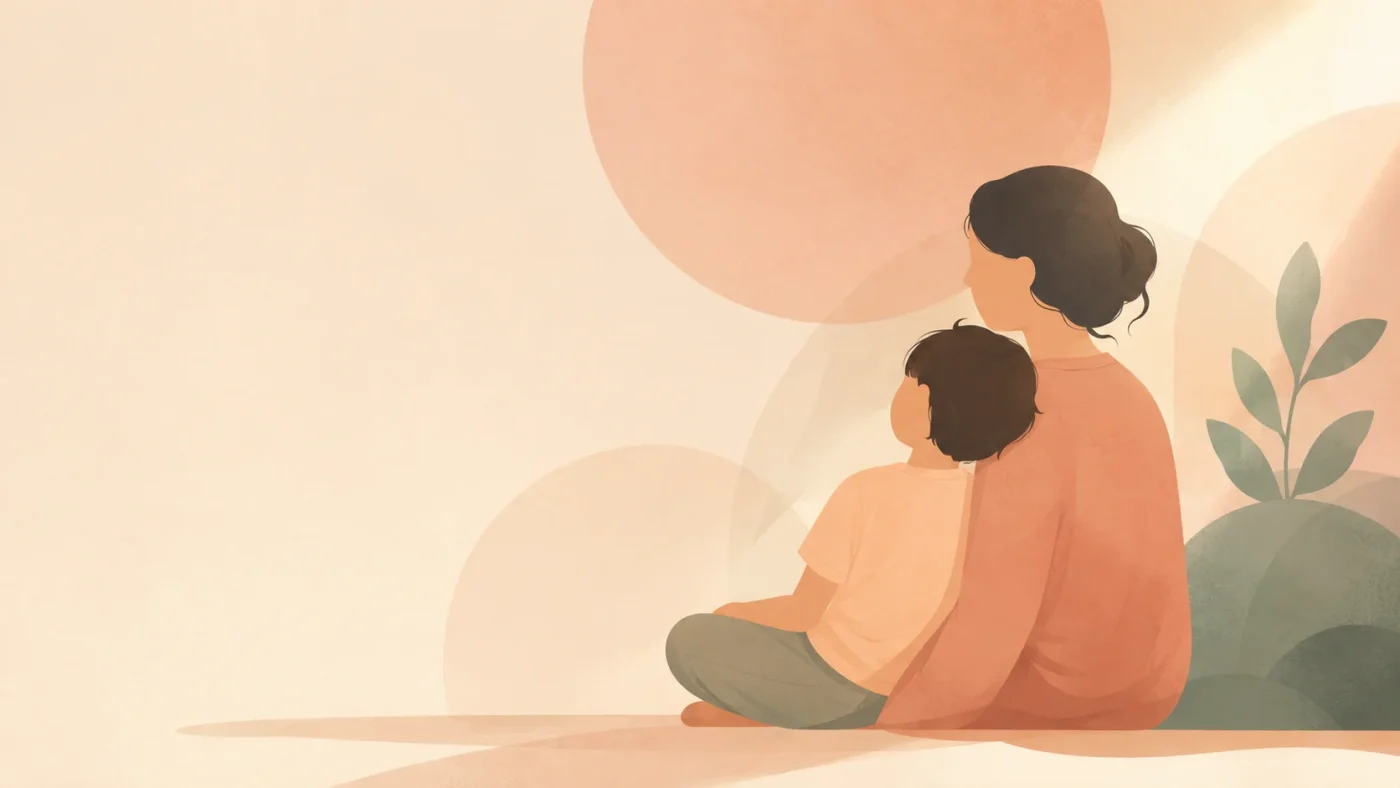
Children grow best when they experience a secure emotional base — a relationship where they feel safe, seen, and held. From this place of safety, they naturally begin to explore the world. Independence is not something we push into a child; it is something that unfolds when they no longer feel alone in their experience.
When independence is introduced before a child has enough emotional security, it can sometimes create a different outcome than intended. Instead of true confidence, a child may learn to adapt, perform, or detach emotionally in order to cope.

The Impact of Early, Repeated Separation
When young children experience frequent separation from their caregivers — especially in emotionally demanding environments like group classes or early schooling — they may begin to organize themselves around coping rather than connecting.
This does not always look like distress on the surface. In fact, many children appear “independent” or “well-adjusted.” However, underneath, some may shift toward:
- Staying on the surface emotionally
- Relying on performance rather than relationship for security
- Becoming overly focused on fitting in or adapting to expectations
- Losing access to their deeper emotional world in unfamiliar settings
From an attachment perspective, this can be understood as a form of emotional protection. When closeness feels uncertain or unavailable, children may adapt by becoming self-sufficient too early.
When Connection Is Preserved, Independence Follows Naturally
What I continue to return to in my practice is this: children do not need to be taught how to grow up. They need emotional conditions that allow growth to unfold.
When children feel securely connected — when they experience consistent emotional availability from their caregivers — they are more able to:
- Explore with confidence
- Tolerate frustration and disappointment
- Develop curiosity and initiative
- Return to connection after separation
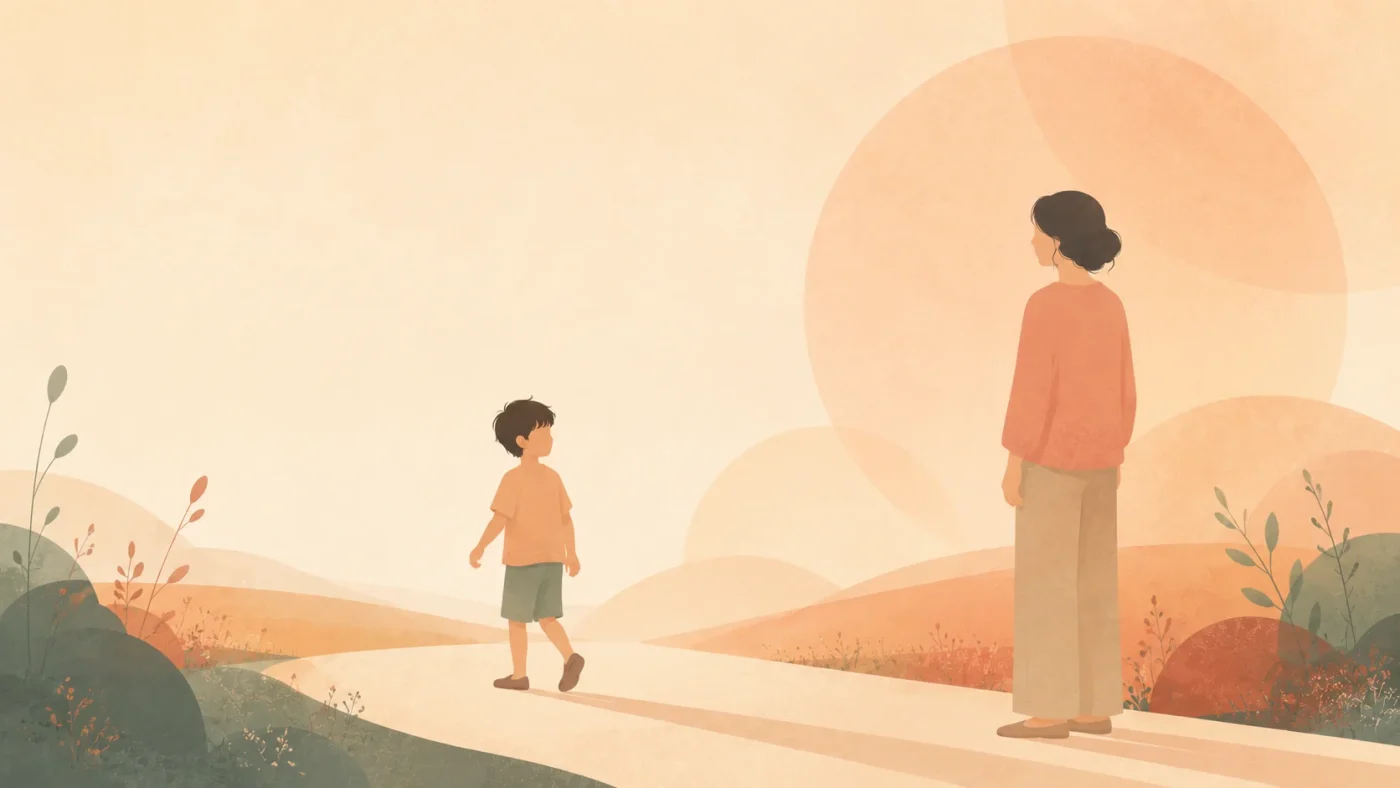
In this sense, independence is not the goal we push toward. It is the natural outcome of being securely held in relationship.

My Ongoing Reflection as a Counsellor and Parent
As a parent, I notice this dynamic in my own child as well. For example, my 8-year-old son may show independence in school settings, but at home, he still seeks closeness and comfort — especially during vulnerable moments like bedtime.
This reminds me that children often carry different relational needs in different contexts. What looks like independence in one setting may actually coexist with a deep need for emotional safety in another.
It also reminds me that attachment is not something children outgrow. It is something they grow within.
Finding Balance in a Modern Culture
I do not see this as a matter of rejecting structured learning or early education. Rather, I see it as an invitation to reflect on balance.
We can ask:
- Does this experience strengthen connection for my child?
- Or does it require them to manage separation before they are emotionally ready?
- Is my child still able to come back into emotional closeness after these experiences?
When we hold these questions gently, we begin to create space for both development and relationship to coexist.
Closing Reflection
At the heart of my work is a simple belief: children do not grow best through early independence, but through secure connection that allows independence to emerge naturally.
When we protect the emotional bond, we are not limiting a child’s growth — we are actually laying the foundation for it.
If you find yourself reflecting on your own family’s rhythms — or noticing old patterns from your own childhood surfacing as you parent — you are welcome to reach out.